We independently research and curate every pick. When you buy through our links, we may earn a commission. Learn more

GetSharpFindsGetSharpFinds

Best Beginner FPV Drones Under $200 (2026)

By The GetSharpFinds Team

Last updated September 17, 2026

The best beginner FPV drone under $200 is the GEPRC TinyGO ($179.99), and the reason is the single thing new pilots get wrong: it is the only one here sold ready-to-fly (RTF), with the radio controller and FPV goggles included, so you can actually fly it. The other three are superb quadcopters, but they are bind-and-fly or kit versions — you must already own an FPV radio and FPV goggles, which together usually cost more than the drone itself. Read that twice before you buy. Last updated: September 17, 2026.

We may earn an affiliate commission from links on this page — this never affects our picks. Read our full affiliate disclosure.

How we picked

We are a research and curation team, not a flight-test lab — we did not fly these ourselves. What we did: confirm each is a complete drone (not a frame, motor or spare part), that it is in stock and priced under $200 at GEPRC the day we published, and — most important for a beginner — check exactly what each one includes from its own product options. We do not invent flight times, range or camera specs. Prices move, and FPV gear is bought as a system — check before you buy. Last updated: September 17, 2026.

Our picks

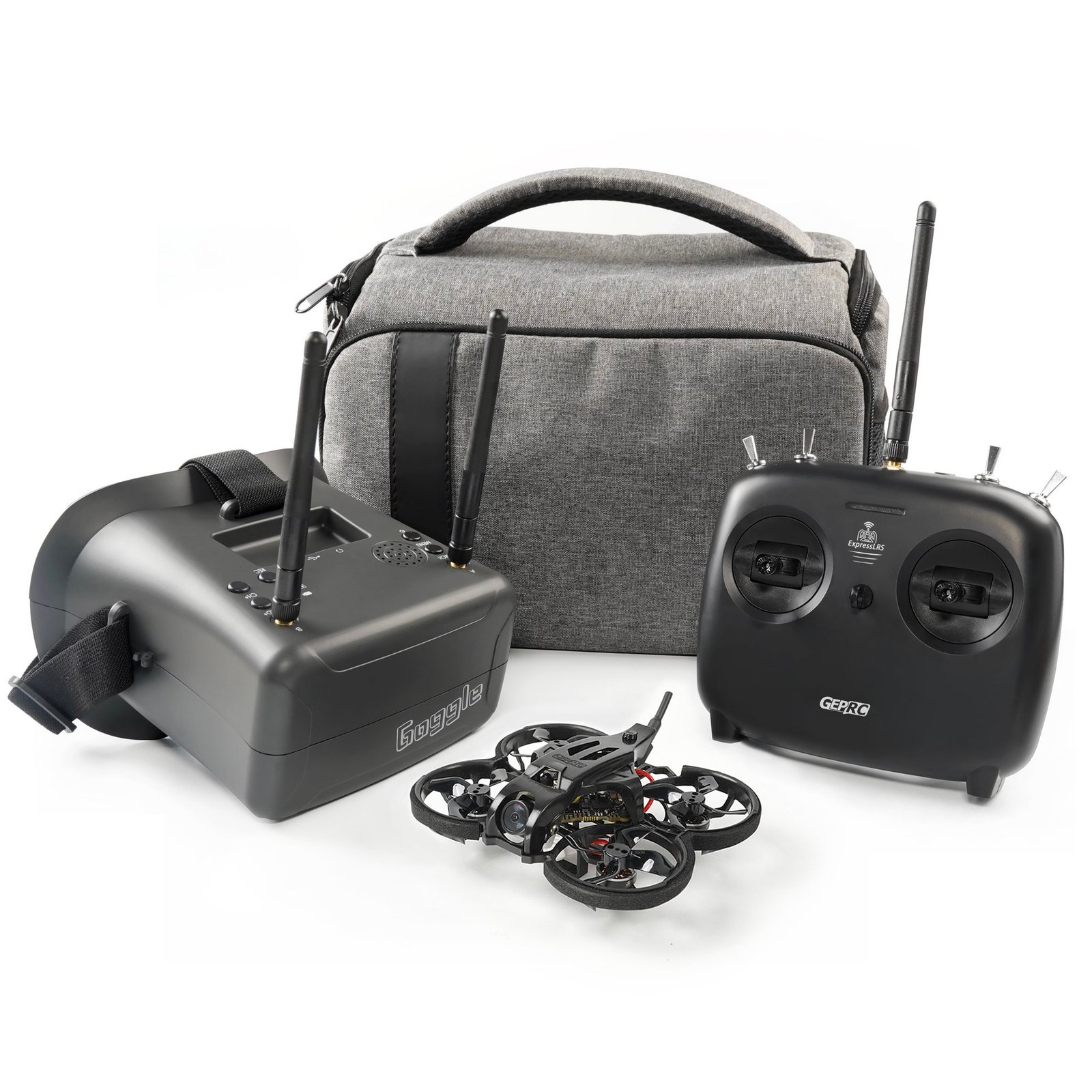
GEPRC TinyGO Racing FPV Whoop RTF
Best for beginnersGEPRC TinyGO Racing FPV Whoop RTF

The only ready-to-fly (RTF) set here — GEPRC bundles the radio and goggles and includes four 1S batteries, so a first-time pilot can fly on day one. $179.99. Perfect for: someone brand-new to FPV who wants everything in one box. Skip it if: you already own goggles and a radio — then a bind-and-fly below is better value. When ordering, pick a radio Mode (Mode 2 in the US), not 'Drone Only'.
GEPRC T-Cube18 2S WTFPV Kit Quadcopter
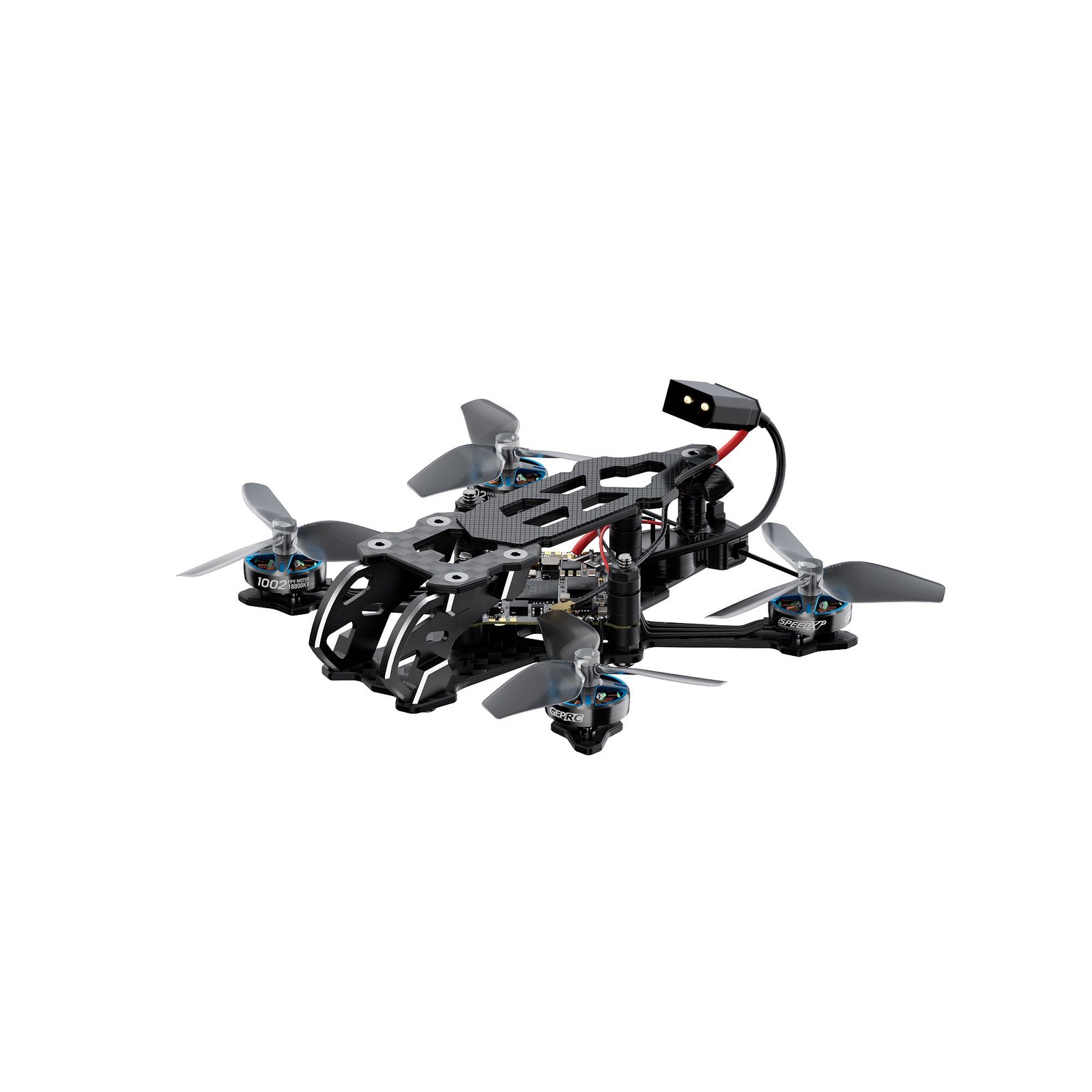
Cheapest (needs your own gear)GEPRC T-Cube18 2S WTFPV Kit Quadcopter

A low-cost 'build-it-your-way' tinywhoop kit with a built-in ELRS receiver. $106.99. Perfect for: someone who already has an ELRS radio and FPV goggles and wants an inexpensive whoop. Skip it if: you are a total beginner with no gear — the kit does not include a radio or goggles.

GEPRC DarkStar20 WTFPV Cinewhoop Quadcopter
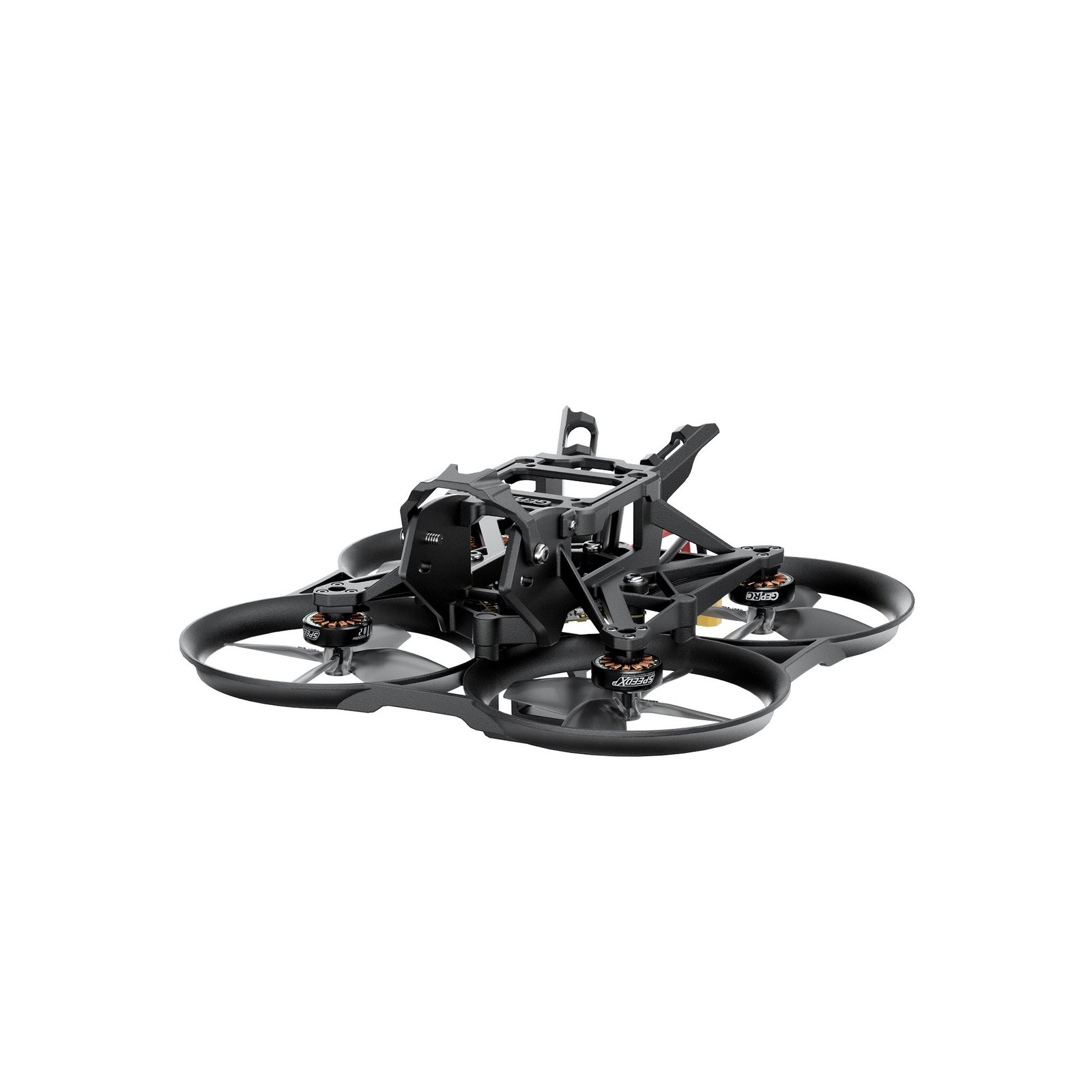
Best for smooth videoGEPRC DarkStar20 WTFPV Cinewhoop Quadcopter

A cinewhoop — ducted, prop-guarded and tuned for smooth cinematic footage — sold bind-and-fly (choose an ELRS or TBS receiver to match your radio). $129.99. Perfect for: a pilot with a radio and goggles who wants smooth, close-up video. Skip it if: you have no gear yet, or want a longer-range flyer.

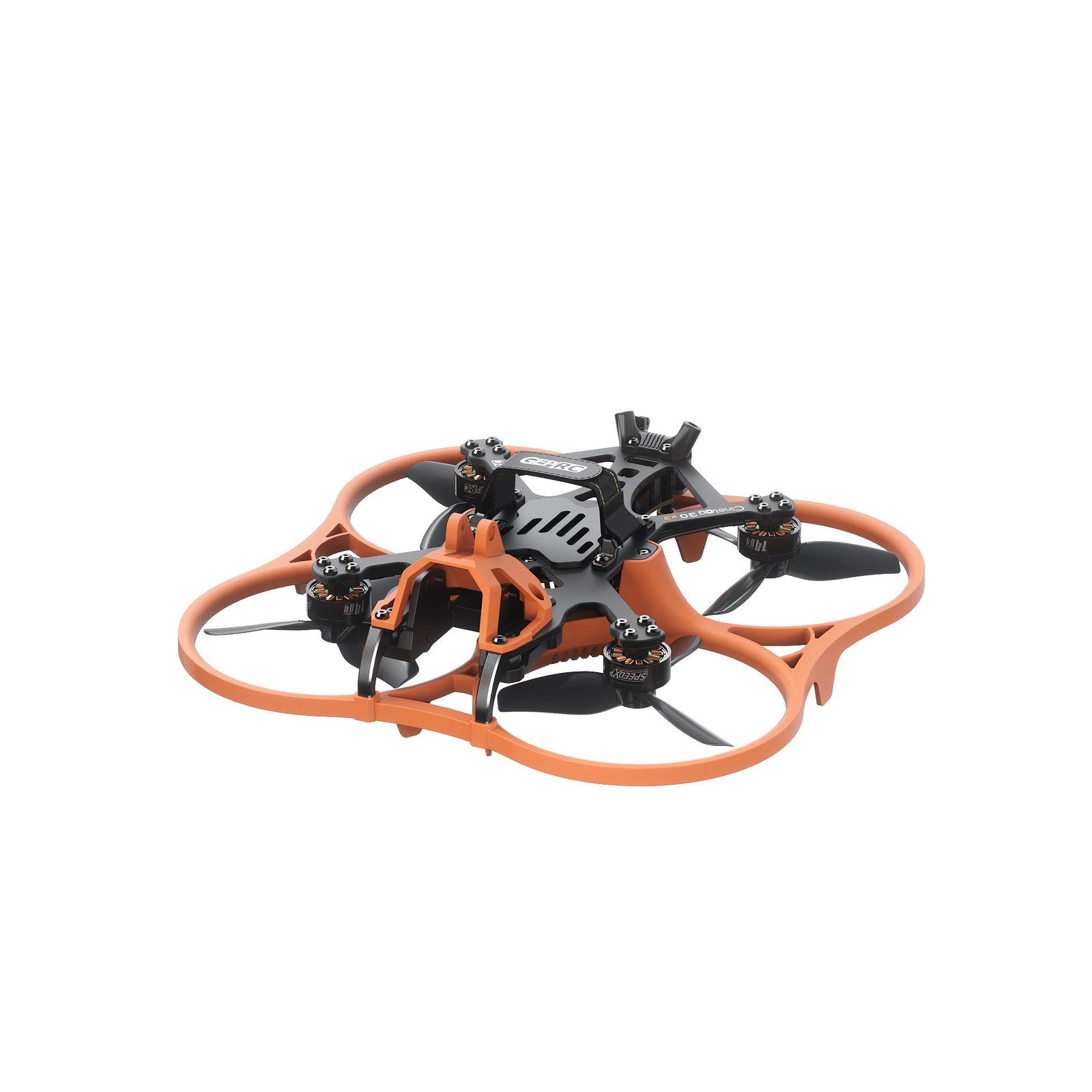
GEPRC Cinelog30 V3 WTFPV Quadcopter
Best step-upGEPRC Cinelog30 V3 WTFPV Quadcopter

A larger 3-inch cinewhoop offered as PNP (no receiver) or with an ELRS/TBS receiver. $169.99. Perfect for: a pilot ready for a more capable HD cinewhoop who already has, or is buying, goggles and a radio. Skip it if: you want the simplest possible start — this is bind-and-fly or plug-and-play, not ready-to-fly.

The verdict

For a true beginner with no gear, buy the GEPRC TinyGO ($179.99): it is the only pick that includes the radio and goggles, so it is the only one you can fly out of the box. What not to do: do not buy the $106.99 T-Cube18 kit or the bind-and-fly DarkStar20 / Cinelog30 as a first drone expecting to fly it that day — you will also need FPV goggles and a compatible radio, which cost more than the drone. And when you order the TinyGO, choose a radio mode (Mode 2 is standard in the US), not the 'Drone Only' option, or you will get just the quadcopter. Last updated: September 17, 2026.

FAQs

Can I fly any of these straight out of the box?

Only the GEPRC TinyGO, because it is sold as an RTF (ready-to-fly) set that includes the radio controller, FPV goggles and batteries. The T-Cube18, DarkStar20 and Cinelog30 are kit or bind-and-fly drones: they do not come with goggles or a radio, so you cannot fly them until you own that gear separately.

What is the difference between RTF, BNF and a kit?

RTF (ready-to-fly) includes the drone, a radio and usually goggles — a complete system for a beginner. BNF (bind-and-fly) is the drone with a receiver you 'bind' to a radio you already own; you still need your own goggles. A kit or PNP (plug-and-play) drone gives you even less — you add or build the missing parts. Beginners should start with RTF.

How much extra do FPV goggles and a radio cost?

A beginner goggle-and-radio setup typically costs more than a sub-$200 drone — often well over $150 combined once you add both. That is exactly why the all-in-one TinyGO is the beginner pick: it folds those costs into one box. If you go bind-and-fly instead, price the goggles and radio first so the true total is not a surprise.

What do ELRS and TBS mean, and which receiver do I pick?

ELRS (ExpressLRS) and TBS Crossfire are two radio-control protocols. On a bind-and-fly drone you must choose the receiver that matches the radio you own — an ELRS drone binds to an ELRS radio, a TBS drone to a TBS radio. If you do not own a radio yet, this is another reason the ready-to-fly TinyGO is simpler.

Do I need a license, or can I just fly one?

Rules depend on the drone weight and your country, and they change, so check your local aviation authority before flying — in the US that is the FAA, which has registration and remote-ID rules that can apply even to small drones flown outdoors. Tiny indoor whoops flown at home are the least restricted, but always confirm the current rules yourself.